The Inner Weight of Stress: How Interference Realignment Prevents Burnout
By Dr. Scott Zarcinas | Author, Doctor, Spiritual Guide
In this article:
-
Why constant doing creates inner friction rather than fulfillment
-
How identity quietly shifts from essence to roles, performance, and productivity
-
Why more self-improvement often deepens the sense of heaviness
-
The moment when change begins—not through effort, but recognition
-
How being naturally re-emerges when interference drops
Identity Strain
Most people think that burnout begins with workload. But from my experience, overwhelm and burnout begins with misalignment.
You can tolerate long hours. You can tolerate complexity. You can tolerate pressure.
What you cannot tolerate indefinitely is identity strain.
When who you are and what you’re doing drift apart, effort multiplies. That’s when stress becomes heavy, and carrying this invisible weight is what eventually leads to burnout.

Burnout Is Not Just Exhaustion
Burnout is often described as fatigue, cynicism, or emotional depletion. But underneath that is something quieter:
-
You no longer feel recognised.
-
You no longer feel aligned.
-
You no longer feel like yourself inside the role.
The issue isn’t just the job, the workload, the hours.
The issue is the gap between your inner orientation and your outer expression.
That gap is interference, and interference feels heavy.

The Job May Not Change
Here’s the uncomfortable truth: The role might not change. The system might not change. The structure might not change.
Waiting for the environment to adjust to you often increases frustration.
But alignment doesn’t require the job to change. It requires clarity about what you are retaining — and what you are tolerating — that no longer fits.
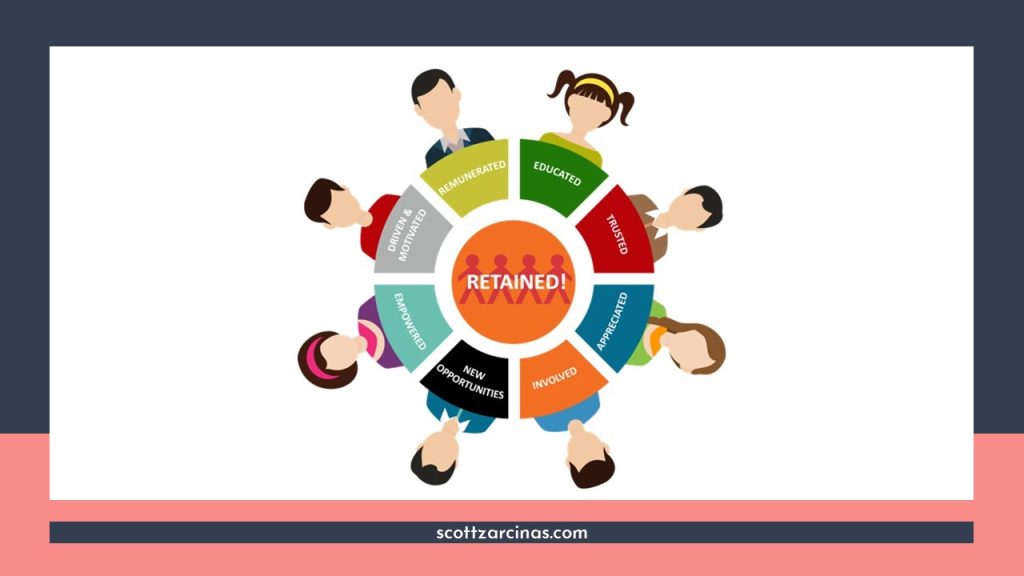
The RETAINED Model
The RETAINED Model — An Inner Alignment Audit
Instead of asking:
“Is this job good or bad?”
Ask:
“Where am I misaligned?”
RETAINED becomes less about scoring satisfaction and more about identifying retained interference.
Step 1: Identify What Actually Matters
List what truly stabilises you in a role:
-
Being trusted
-
Being appreciated and respected
-
Education and growth
-
Fair remuneration
-
Meaningful contribution and involvement
-
Autonomy, responsibility, empowerment
-
Purpose, meaning, mission
-
Momentum and new opportunities
Now divide them into:
-
Vital – without this, strain accumulates
-
Important – stabilising but not essential
-
Bonus – enriching but not necessary
This is less about expectations and more about orientation.

Value Criteria
Step 2: Notice the Gaps
You will now have 3 Vital, 3 Important, and 2 Bonus alignment criteria. For instance, you might list remuneration (e.g. income), promotional opportunities and being appreciated as Vital criteria for you.
Then you might have purpose, education and trust as Important alignment criteria.
Lastly, you might have personal empowerment (e.g. flexible work hours), and having involvement in decision making as Bonus alignment criteria.
Now identify where your Vital alignment criteria are not being met?
That gap is not just job dissatisfaction. It is friction between identity and role.
The longer that friction continues, the more energy it consumes.
That energy drain is what people call burnout.

Burnout Is Retained Misalignment
Burnout doesn’t mean you’re weak or a failure. On the contrary, it means you’ve been overcompensating: over-functioning, over-performing, over-tolerating.
In other words, carrying an invisible weight no one else can see.
This you do when appreciation is absent but you continue trying harder. When trust is lacking but you compensate with control. When autonomy is limited but you absorb responsibility.
You are retaining strain, and eventually the system says: enough!

Interference Realignment
This is where the work of Interference Realignment differs from other programs or strategies to ‘cure’ or fix burnout.
The goal of Interference Realignment isn’t to escape immediately. Nor is it to endure indefinitely.
The goal is clarity.
When alignment returns:
-
Some roles become workable again.
-
Some conversations become necessary.
-
Some exits become obvious.
-
Some expectations dissolve.
You don’t make reactive decisions. You make clean ones.
Burnout reduces not because stress disappears but because interference does.

Stress Becomes Unsustainable When Identity Is Unstable
The question is not:
“Is the stress worth it?”
The real question is:
“What am I retaining that no longer aligns with who I am?”
When that clears:
-
Energy returns
-
Decisions simplify
-
Conversations become direct
-
Movement becomes natural
Sometimes that means staying. Sometimes it means leaving. But either way, you stop carrying what doesn’t belong.
That’s how burnout is prevented. Not through resilience training.
Through realignment.

Let the Weight Drop
A short written guide to understanding what’s weighing you down and how it releases.
Get the Welcome Pack
No fixing. No pressure. Just clarity.